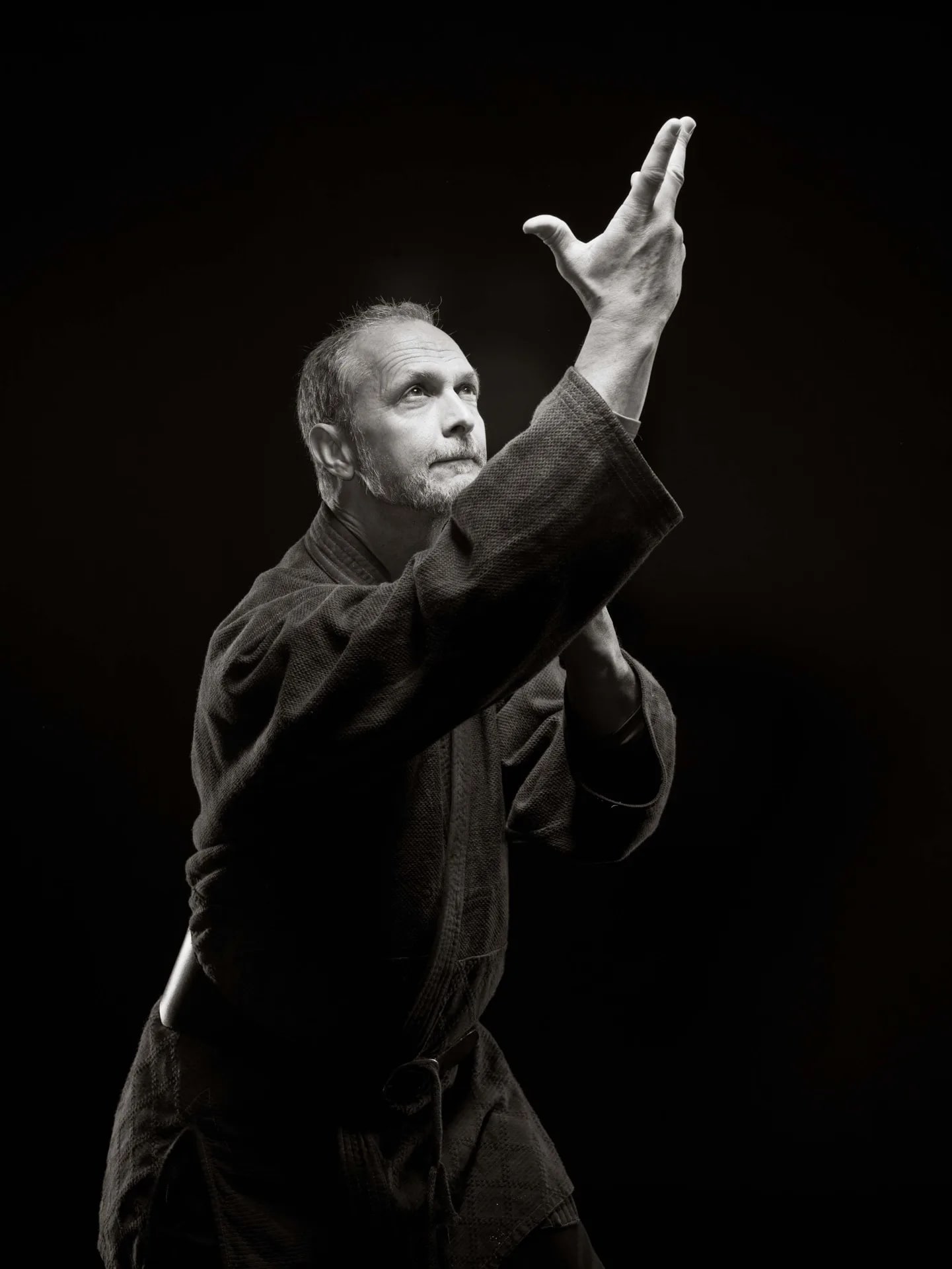
Personal Security
The best skill, I have come to believe, is avoiding the situation. The second best is recognising it early.
Security, when you actually do it, is mostly attention. The body is the instrument, and most of the work happens long before anyone raises a hand.
I have worked periodically as a personal security coordinator and bodyguard since 1997 — a quieter parallel, as it happens, to the teaching life. The clients, over the years, have come from the spiritual, political and cultural worlds; the names I make public are on the next page, and the ones I do not are the more interesting.
What I teach now is built on those decades. It is not a weapons course, though weapons — firearms, empty-hand, blade, and improvised — are covered where that makes sense. It is a training in the far more useful skills of seeing, anticipating, and moving — the skills that most civilian security training never gets around to. A good bodyguard, I have said often, is a person you did not notice was there.
Situational Awareness
Reading a room, a street, a stranger. The non-verbal grammar of threat. How civilians, teachers, and professionals can see what trained eyes see — and act before the situation closes.
Conflict Avoidance
The best outcome is the fight that never happens. De-escalation, extraction, perimeter design, and the private language of protection.
Practical Skills
Empty-hand work drawn from the Chinese internal arts, the Western boxing and wrestling traditions, Fairbairn’s WWII close-combat system, and practical weapon handling.
For Professionals
Consultancy for law enforcement, private security, and those responsible for the safety of public figures. Techniques of suspect management, containment, and custody.
On the skills of attention — situational awareness, avoidance, and what bodyguarding actually teaches.
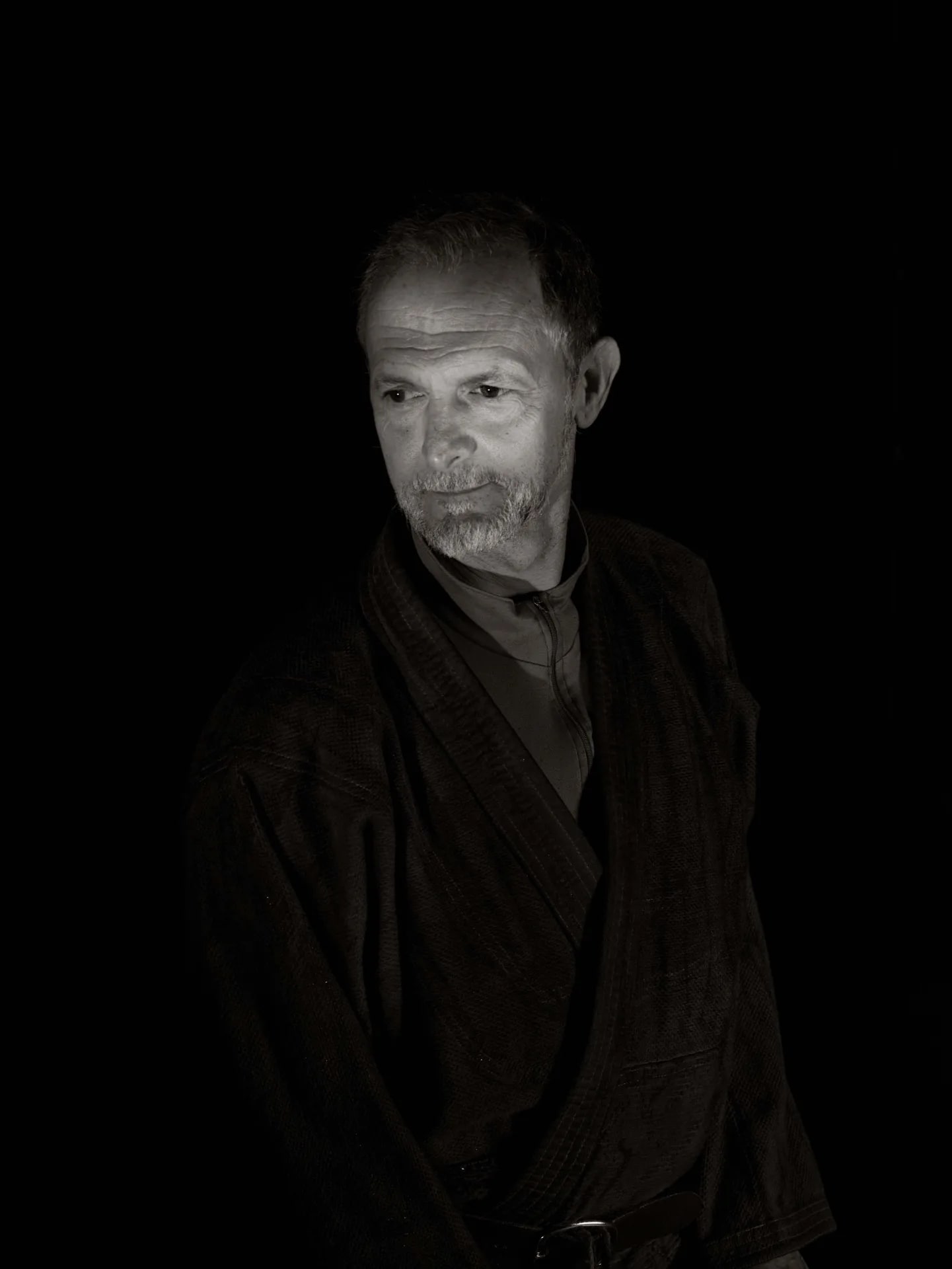
Select clientele.
A representative list — the work itself remains confidential.
- 01H.H. the Dalai Lama
- 02Deepak Chopra
- 03Robert Bly
- 04James Hillman
- 05Richard Gere
- 06Ralph Nader
- 07Andrew Young