Touch gives information.
Hands, fingers and self-pressure make the body legible from within.
Attention · breath · bodily intelligence
Old practices meet the body Allen actually teaches — its history, limits, intelligence and capacity to change.
Enter the practice ↓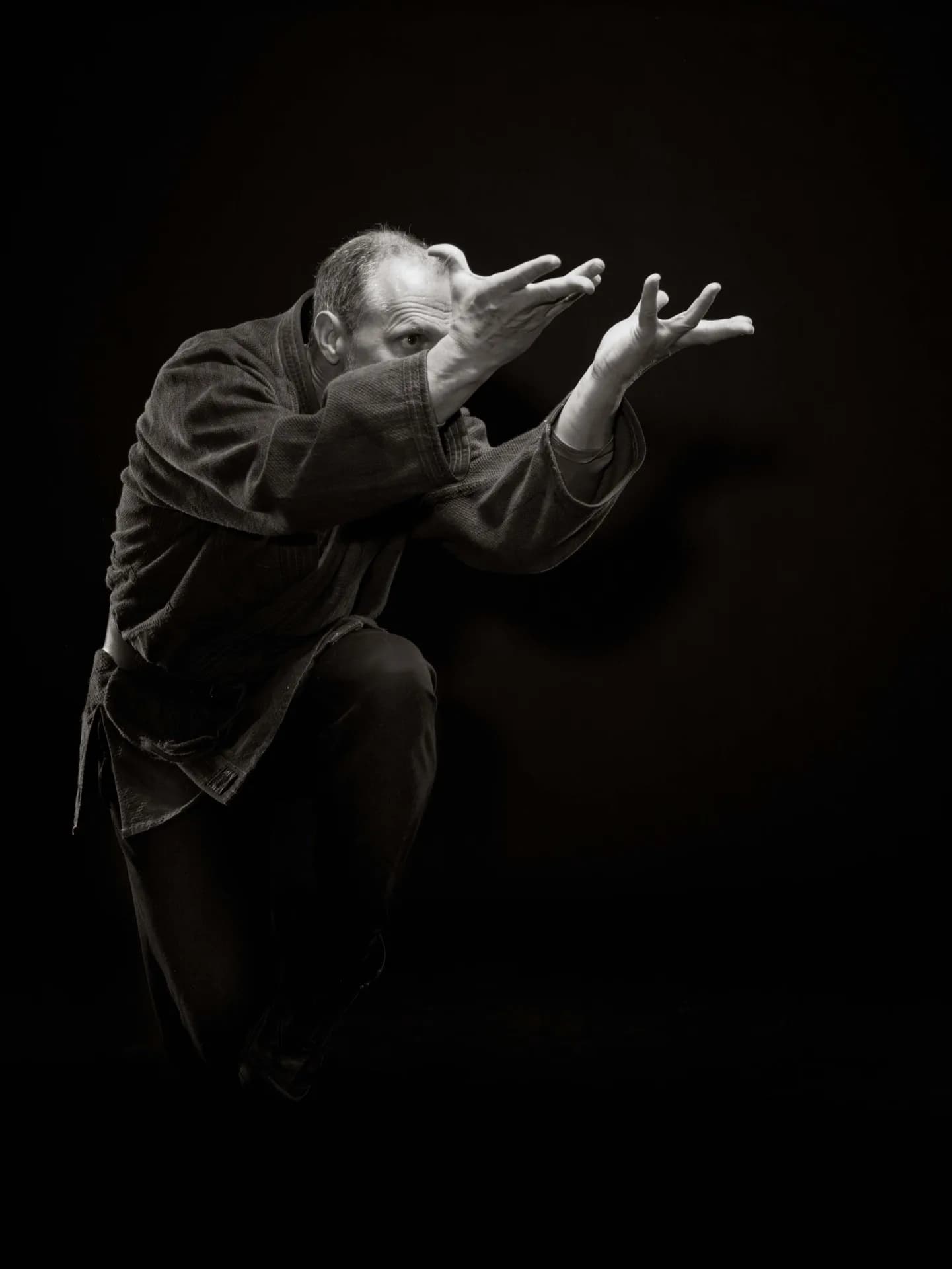
The point of departure
Allen begins with the person in front of him: what can be felt, supported, moved and understood now.
In Allen’s teaching, a posture becomes useful when it restores contact with weight, breath, sensation and choice. Difficulty can be studied with patience and care.
The most visible strand
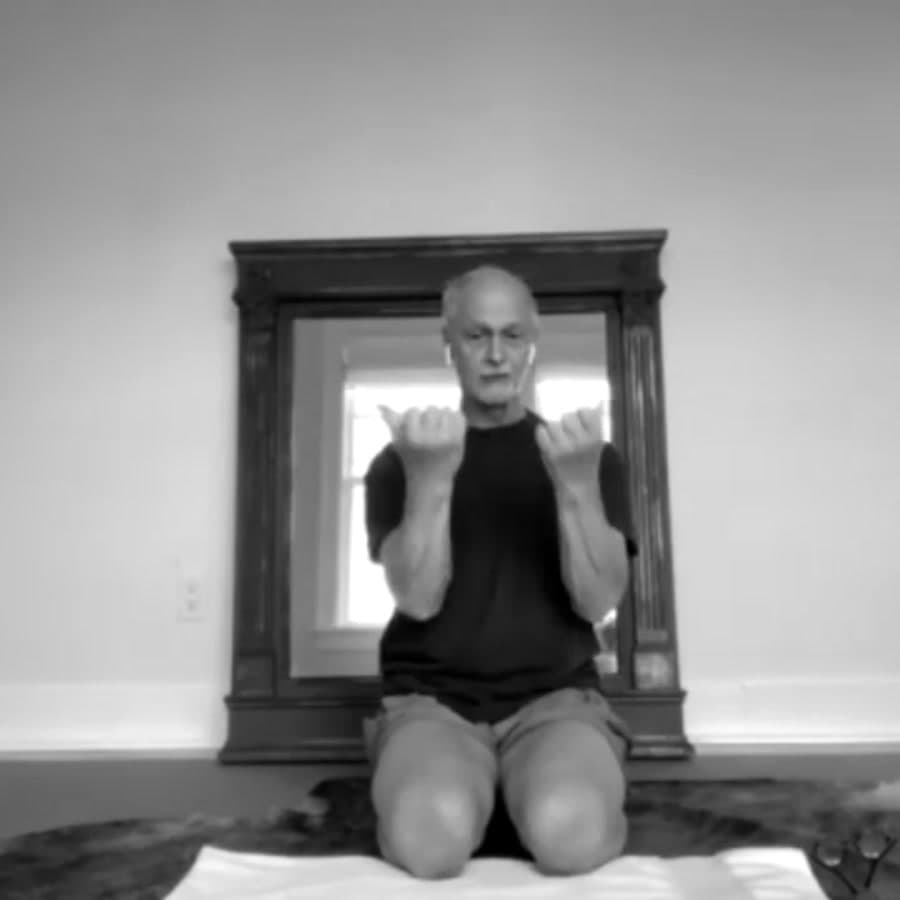
Allen uses these phrases for a slow Egyptian body practice in which kneeling, touch, pressure and breath return attention to the ground. Feeling and sensation organise the sequence from within.
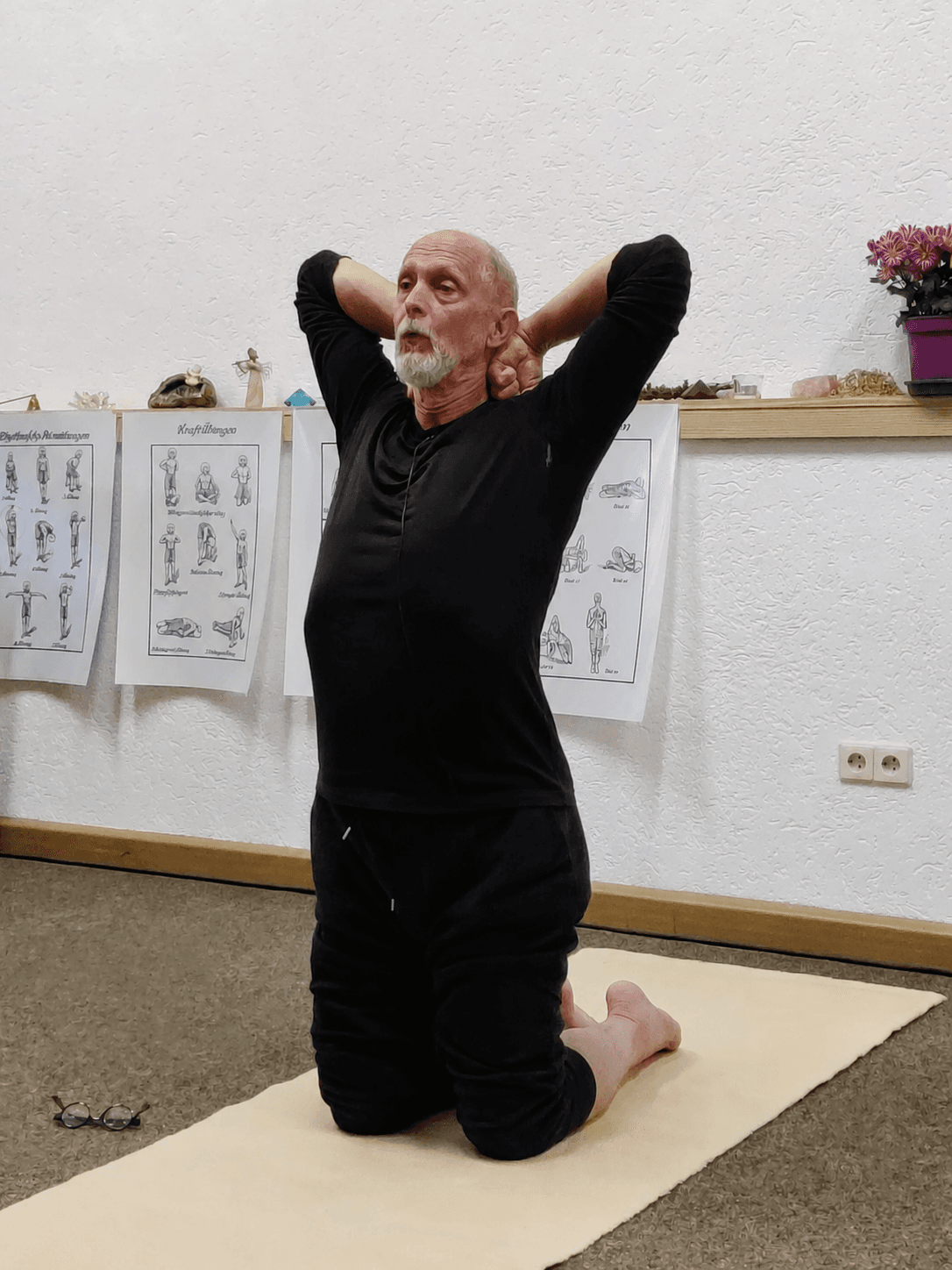
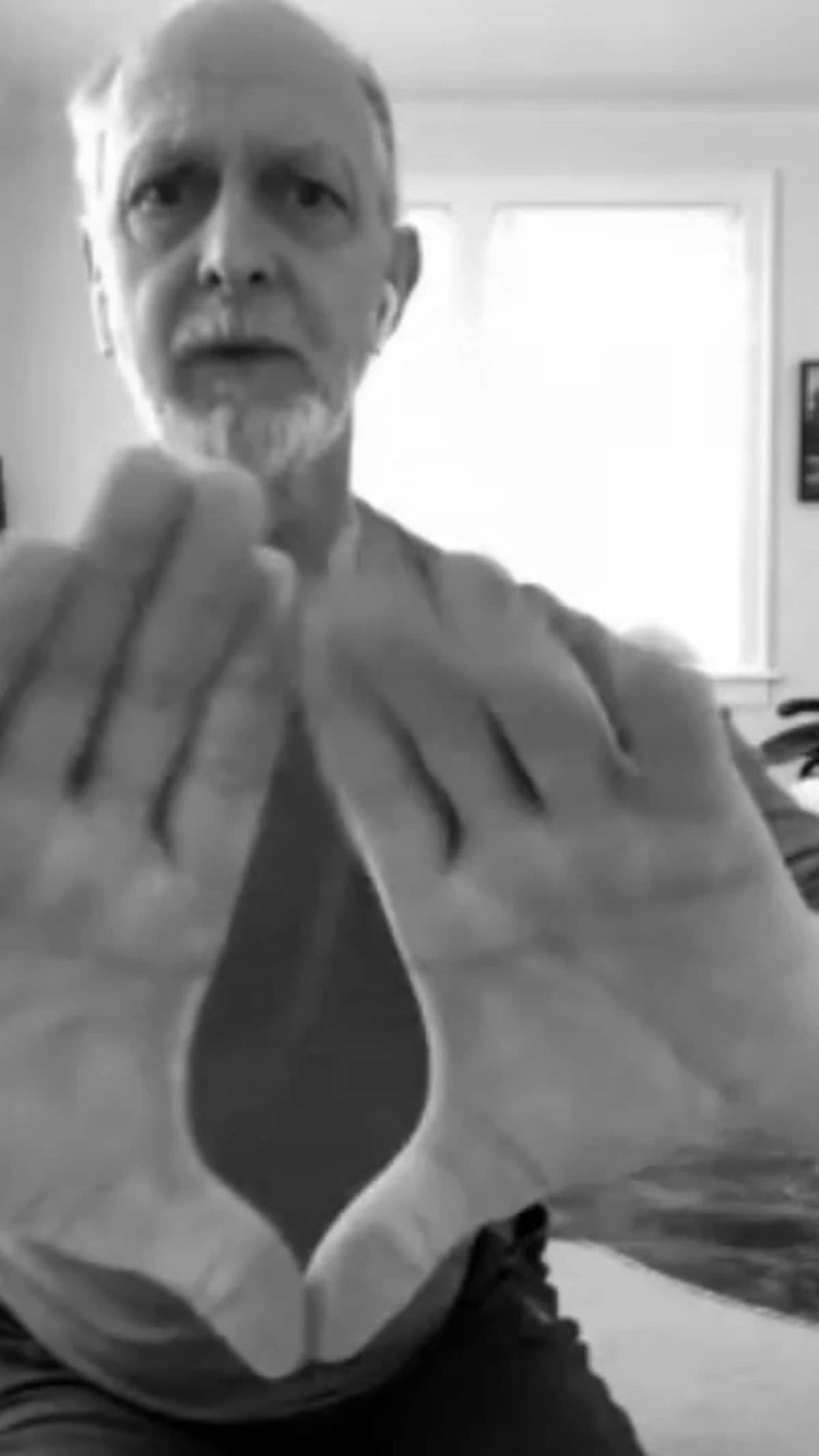
Hands, fingers and self-pressure make the body legible from within.
Kneeling and floor-based positions reduce display and clarify weight.
Breath and unhurried movement allow sensation to organise the form.
A formative teacher
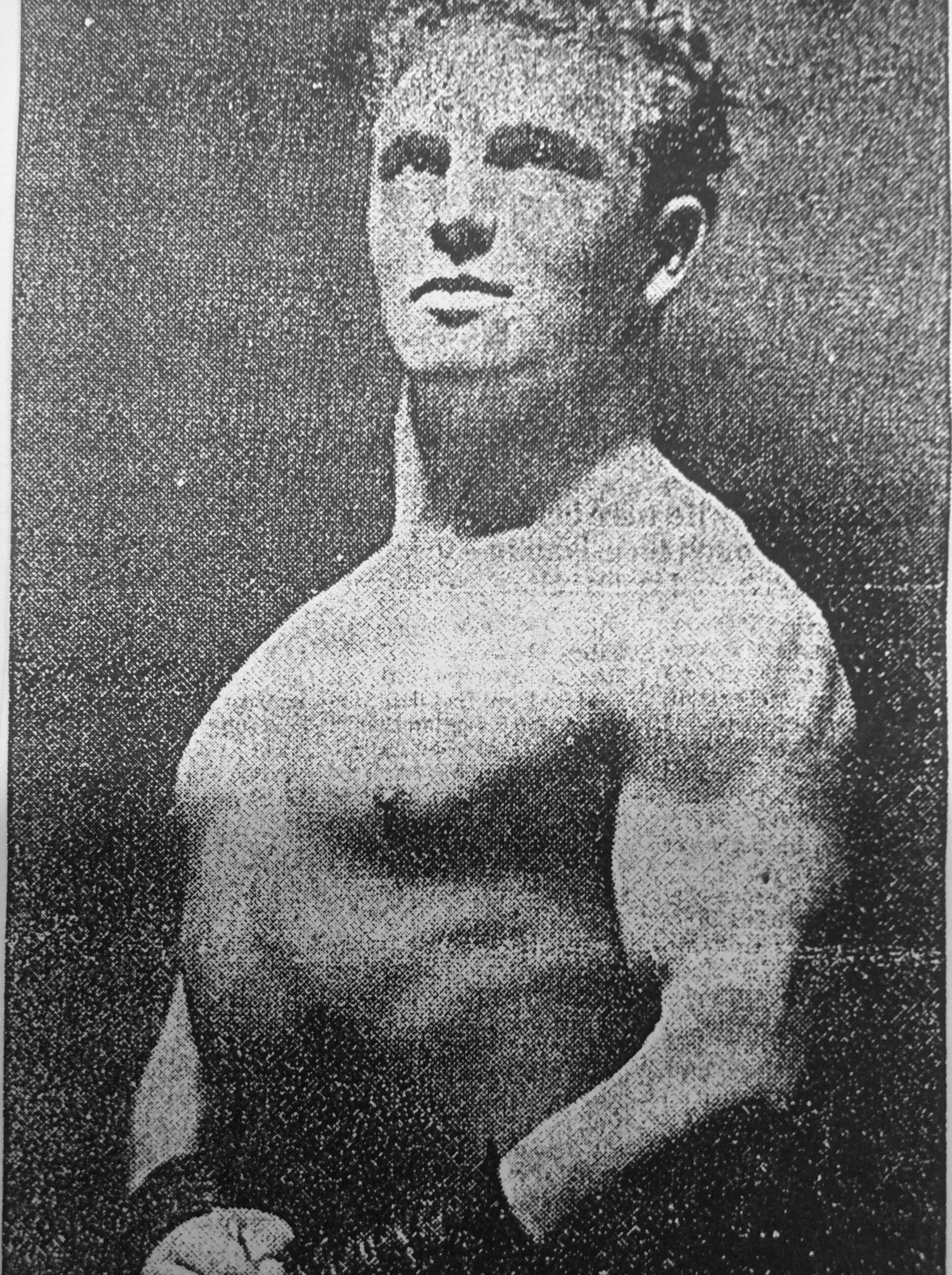
After Taiwan, Allen met Tim Geoghegan: wrestler, strongman, osteopathic thinker and an unusually connected student of human development.
Allen studied with him for roughly a decade. Tim’s wrestling was practical and inventive, but his influence reached far beyond a fighting method. Through him, bodily training, recovery, Yoga Nidra and a comparative map of body, emotion, mind and spirit entered the same conversation.
Young Atlas is Allen’s account of that path. It places the material inside Tim’s life and the larger education he embodied.
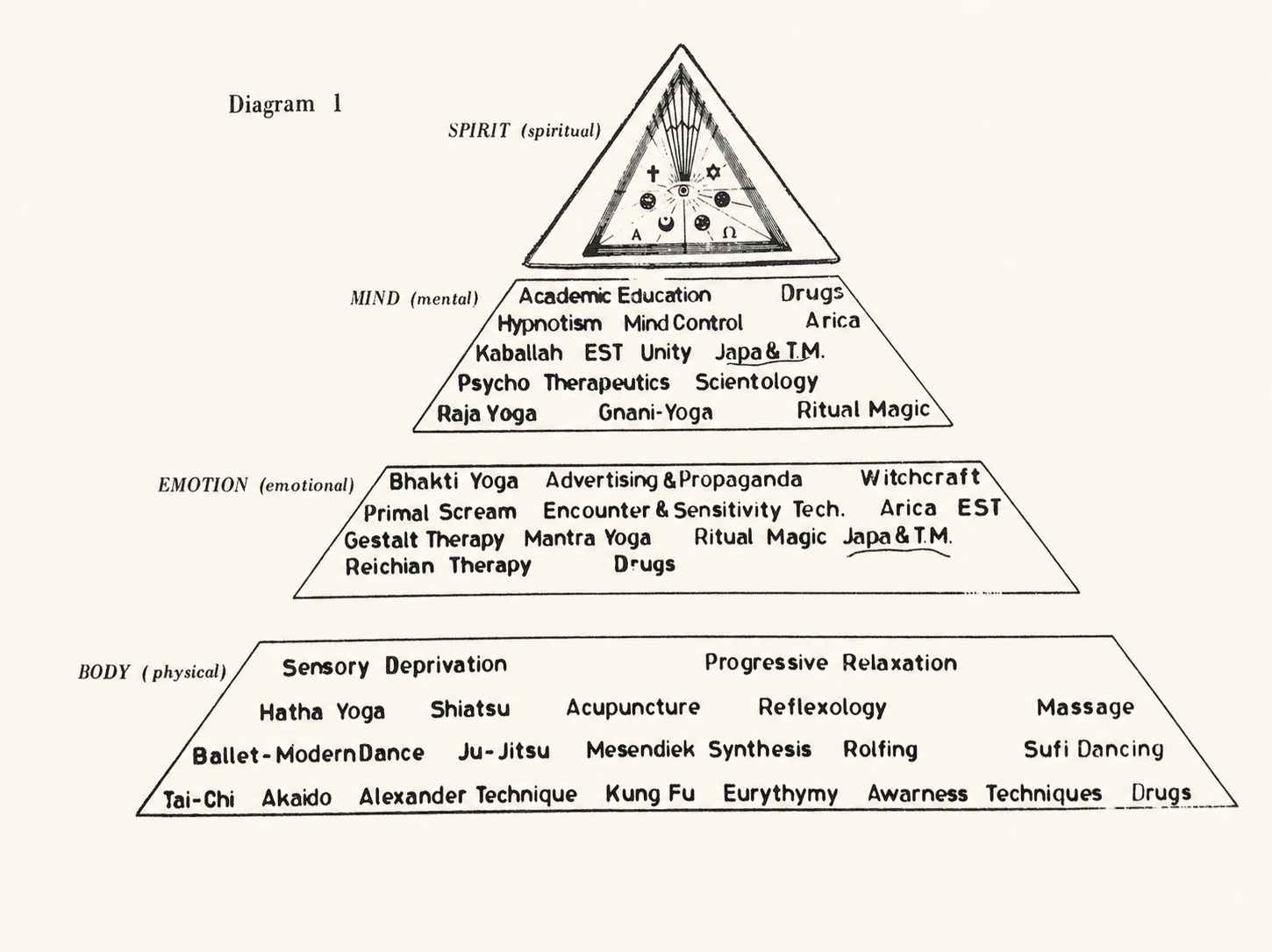
Tim’s comparative map
The name gathers Soma, Pathos and Nous: body, emotion and mind. Tim kept spirit present beyond the acronym. The value of the map lies in refusing to train one human faculty as if it existed alone.
Body · structure · action
Emotion · relationship
Mind · image · understanding
The dimension beyond the acronym
 01
01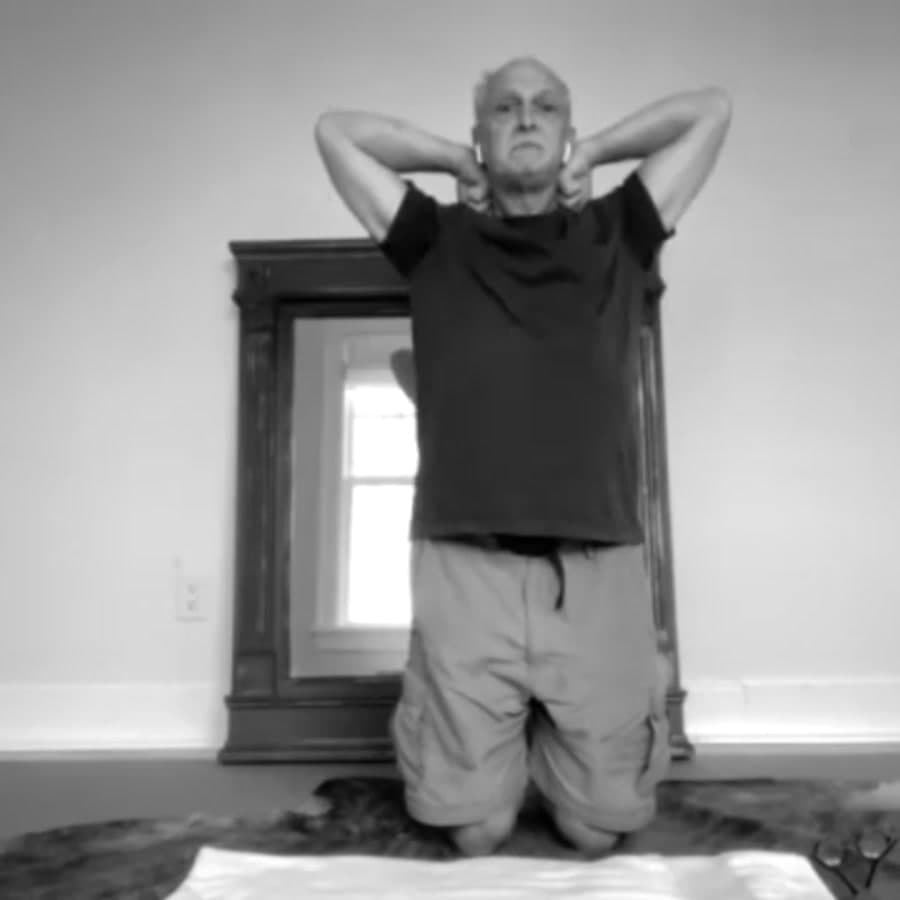 02
02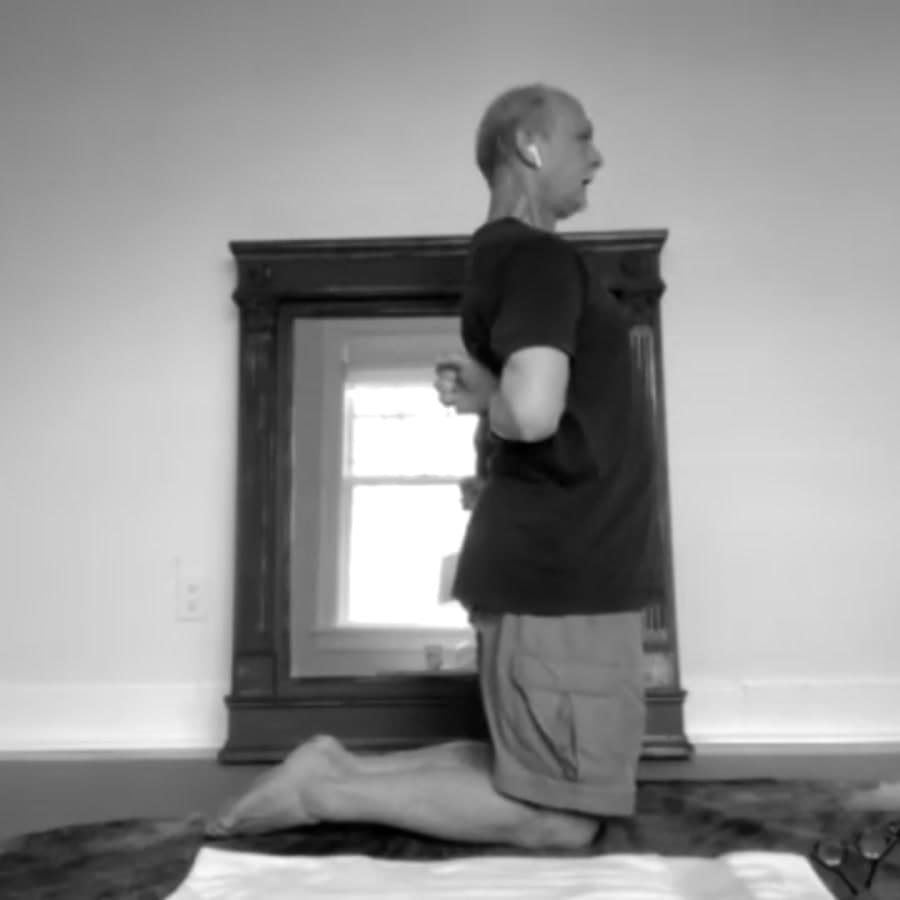 03
03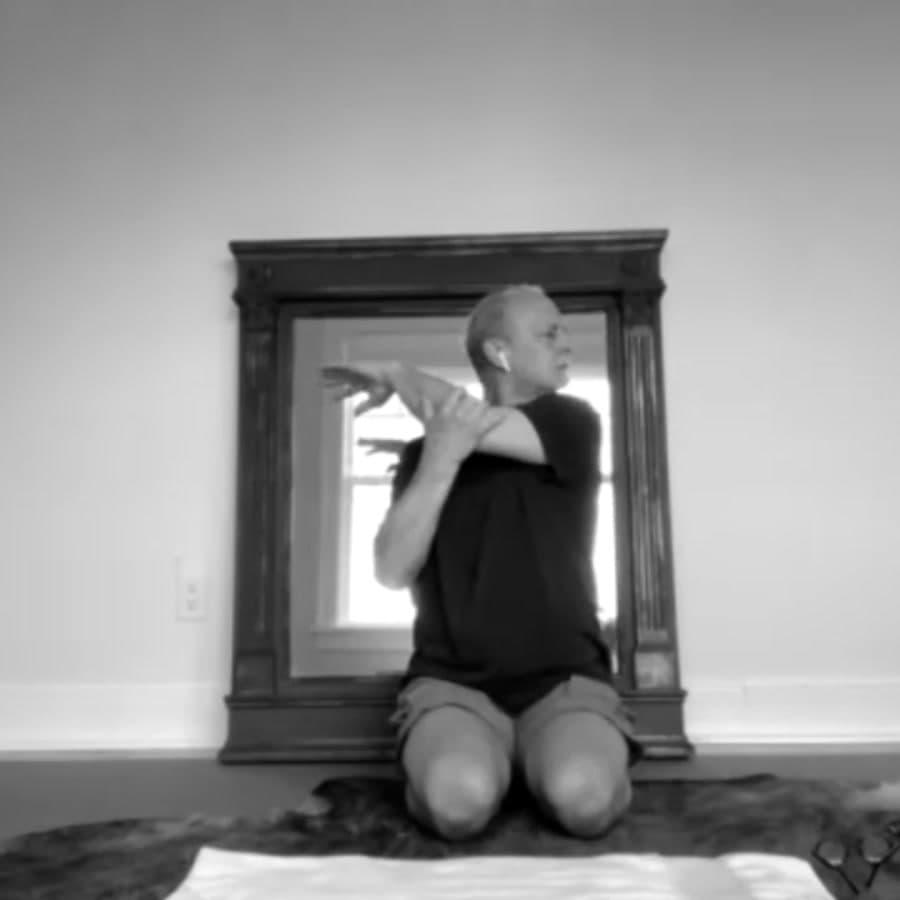 04
04Documents and open questions
Allen did not assemble the Persian and Egyptian material from documents alone. Its practical foundation came primarily through direct study with Tim Geoghegan.
Allen then deepened that received basis through practice, comparison, teaching, source study and correspondence, including exchanges with Charles Musès — whose work was the link to Count Walewski’s material. This is an authentic personal transmission without requiring us to pretend that every older historical link is fully documented.
The Hanish papers are among the sources Allen studied. Their history still holds open questions. Once a sound basis is present, Allen’s method is to test concepts and develop ways of applying them rather than repeatedly treating the work as beginner material. The archive distinguishes that continuing development from claims about an unbroken ancient sequence.
The movement plate uses frames from Allen’s own Body Restructure teaching. It is a contemporary field of practice, not a reconstruction of the Hanish sequence.
Allen introduces the field
An archival introduction to the range of Allen’s yoga teaching, offered in Allen’s own voice.
Further reading
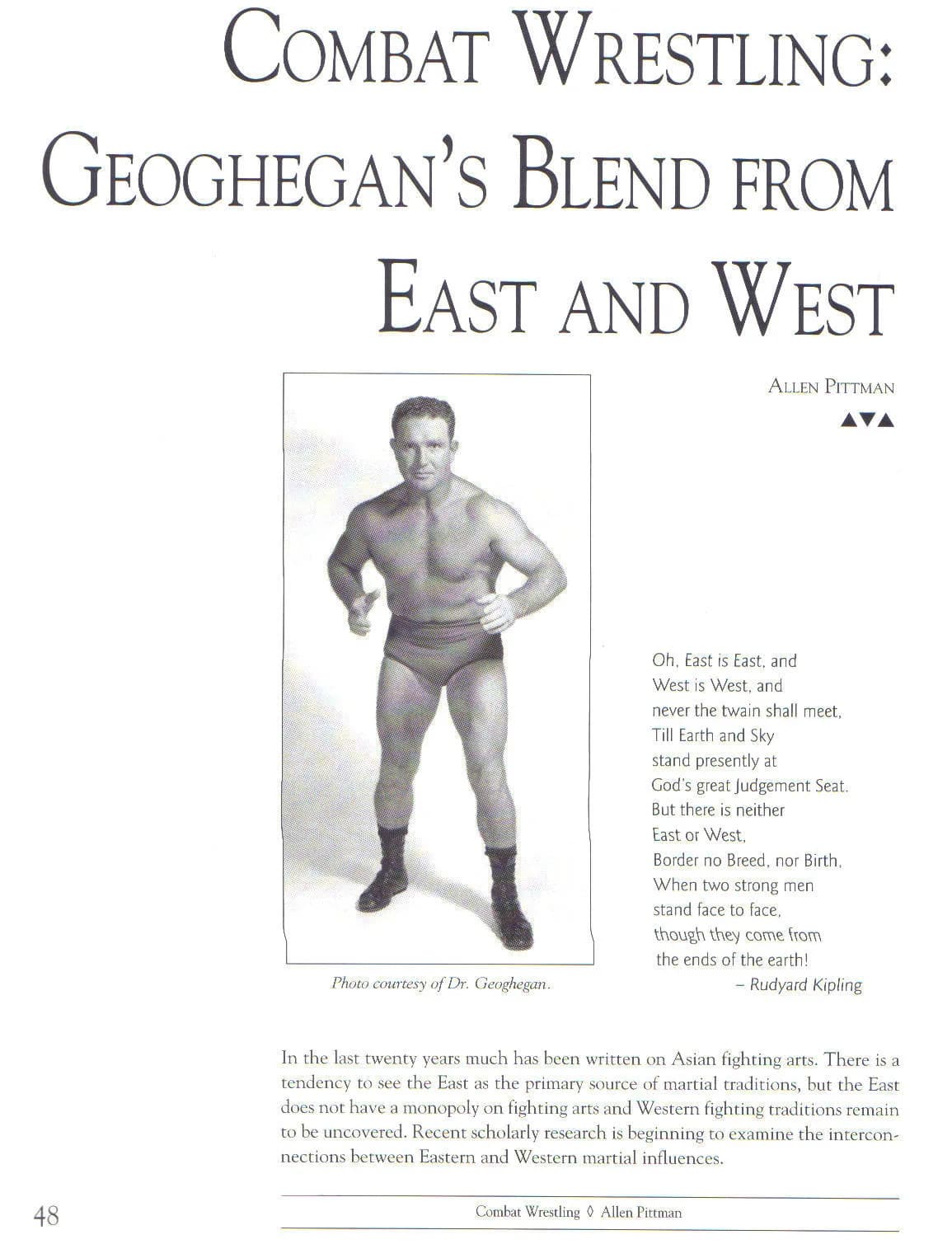
The Training Path of Tim Geoghegan
Read Young Atlas in the library →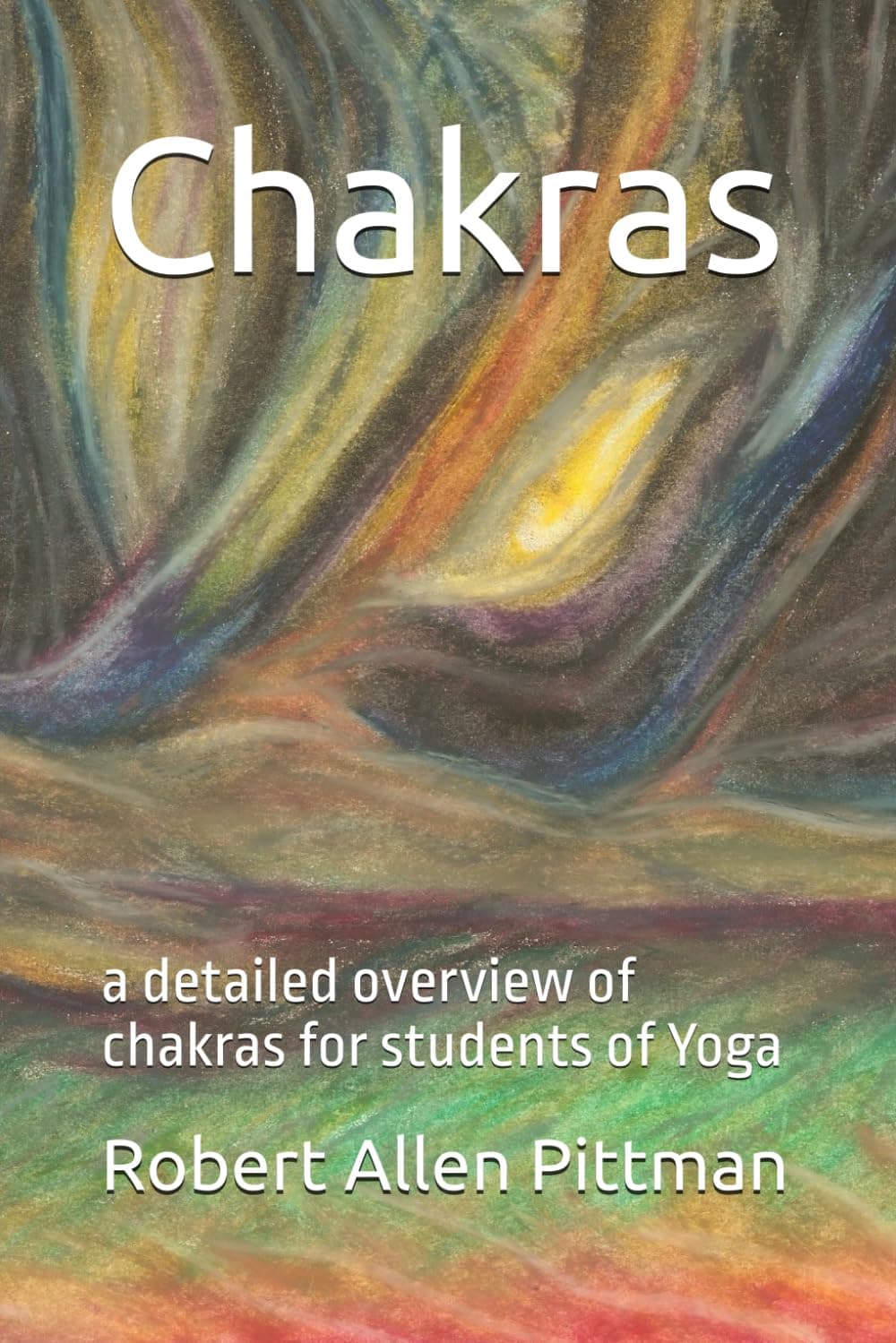
A Detailed Overview of Chakras for Students of Yoga
Find Chakras ↗Continue through Allen’s work