Hsing-I Chuan
A complete system of standing, stepping, five fists, linked and animal forms, partner work and application.
Open the Hsing-I records ↓Taiwan 1984 · Hsing-I and Ba-Gua
Allen first trained with Hung I-Mien in Taipei in 1982. When he returned for a second year in 1984, he became a live-in student, staying with Hung’s daughter Mei-Rang Horng. Her English made everyday communication with the family possible and kept Allen close to the rhythm of Hung’s teaching. Demonstration, correction, partner work and application became part of ordinary days. Hung gave Allen what he called the “whole ball”: the complete Chang Chuen-Feng Hsing-I and Gao Ba-Gua systems. He then assigned ten years of practice. Allen returned in 1995 to review the work with his teacher.
Open the archive ↓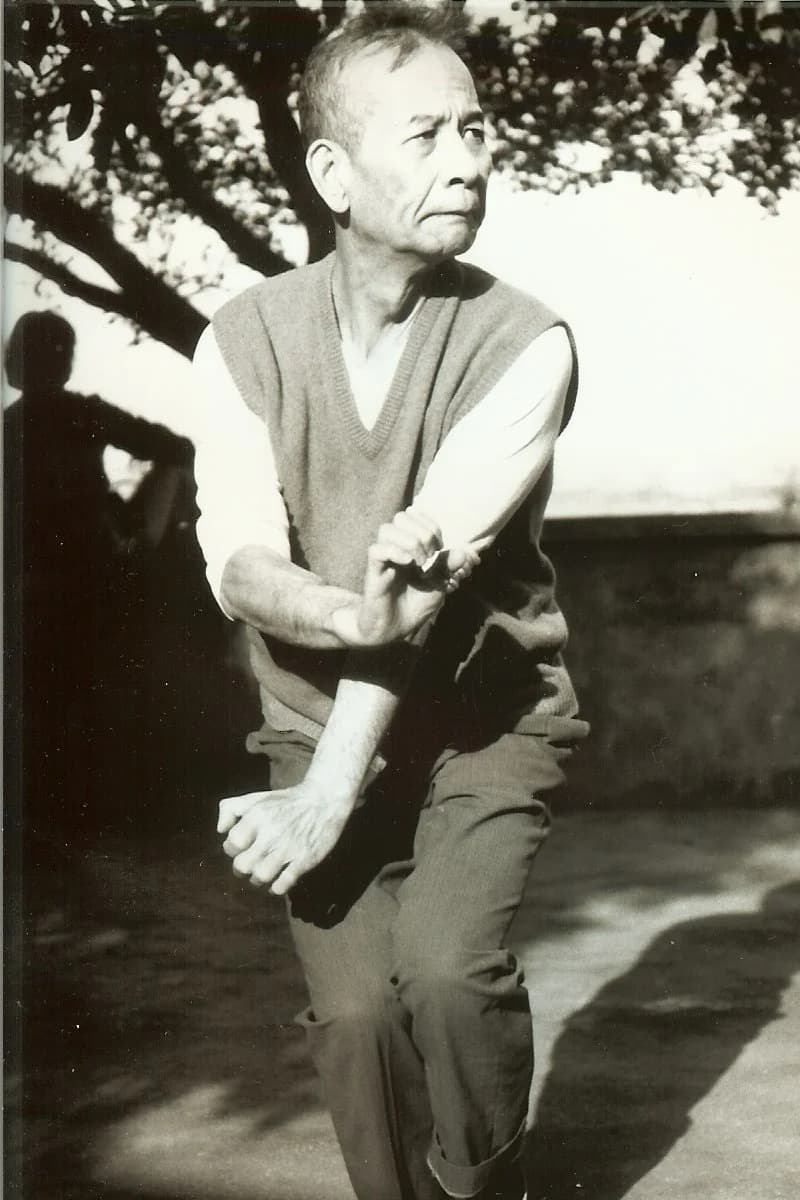
Where this archive sits
Taiwan was not one undifferentiated body of practice. This dossier follows the Gao–Chang–Hung route. Allen’s work with Robert W. Smith and with Chen Pan-Ling’s sons belongs beside it, but does not come through the same line.
See the complete Internal Arts field →A complete system of standing, stepping, five fists, linked and animal forms, partner work and application.
Open the Hsing-I records ↓Twenty-four foundation tactics, sixty-four post-heaven hands, Eight Mother Palms, four auxiliary palms and circle work.
Open the Ba-Gua records ↓Studied directly with Chen’s sons Yun-Chao and Yun-Ching and taught with their permission; related in place and period, but not part of Hung I-Mien’s line.
See the distinct route →The route documented here
A complete Ba-Gua curriculum: foundation tactics, post-heaven hands and circle work
Carried the Gao school to Taiwan
Gave Allen the full transmission of Chang Chuen-Feng Hsing-I and Gao Ba-Gua
Returned in 1984 as a live-in student for what Hung called the “whole ball”
Named by Allen to carry the line forward
Gao through Allen is the historical route relevant to the documents on this page. Stefan Marcec and Dave Jones show its present continuation as the next holders named by Allen; this is not a diagram of every teacher or internal art in Allen’s education.
What the “whole ball” contained
Allen’s account makes the transmission larger than its curriculum. Hung had his hands on him daily. If a form was not right, he applied the tactic to Allen—“not to harm but to inform.”
The work included weapons—paired swords, jutte and staff—as well as forms, partner work and fighting application. Hung was also a respected bone-setter. He knew anatomy, forbade even light strikes to the head and neck, stopped applications when Allen was badly bruised, watched for signs of overtraining and changed his diet when the training began to consume him. In Allen’s memory, the capacity to fight and the capacity to care were held in equal measure.
“You know. You already know.”
Hung I-Mien, as Allen remembers hearing it throughout daily training
Allen writes that Hung carried no aggression and needed no performance of authority. He was direct, observant and quick without being reactive. What Allen received was therefore more than technical possession: a standard for attention, honesty, self-trust and the responsibility that comes with usable skill.
Practice and transmission
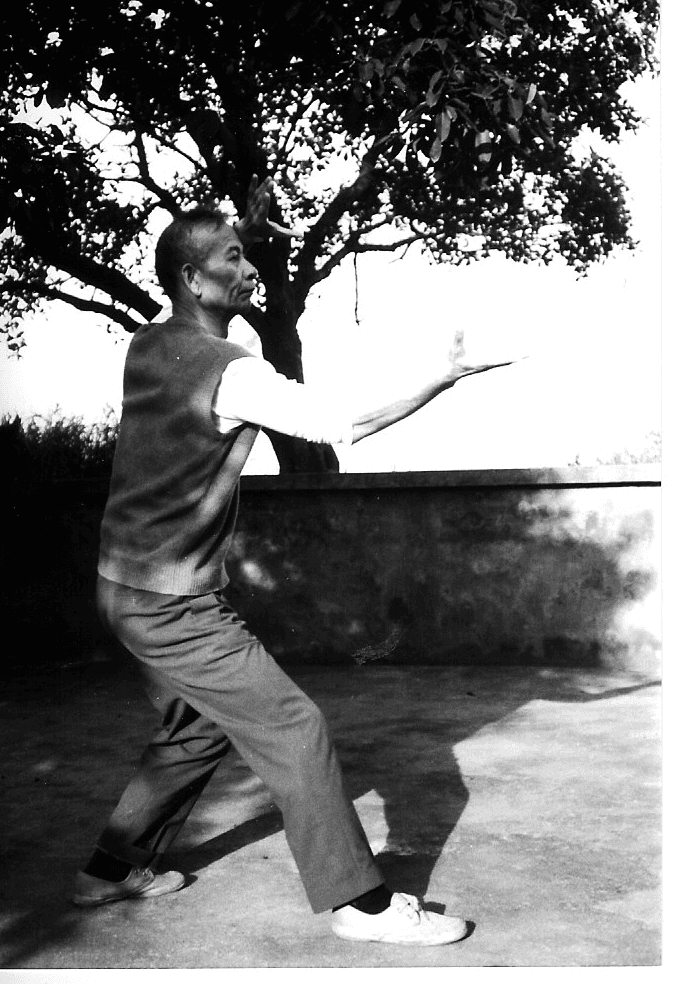
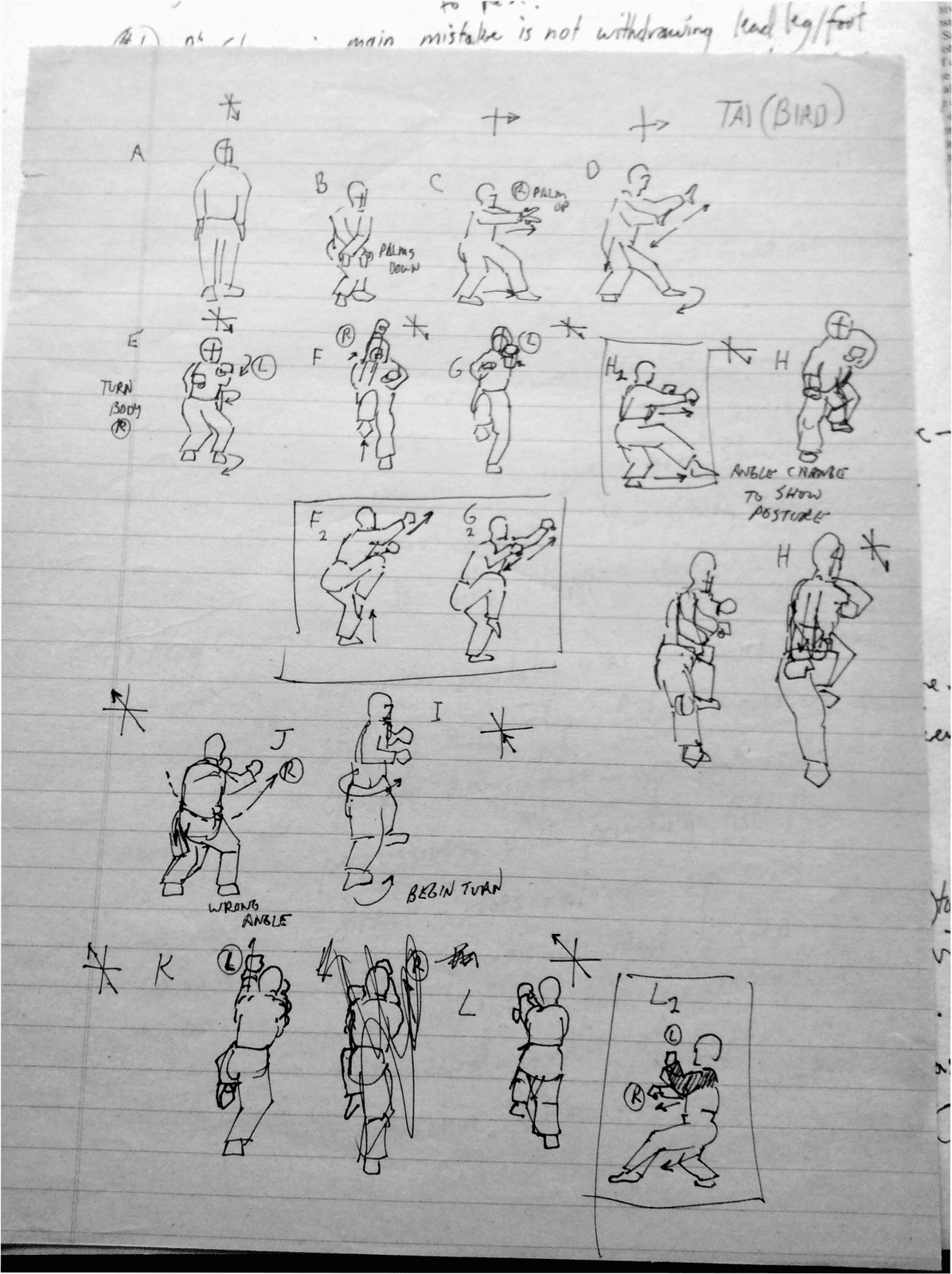
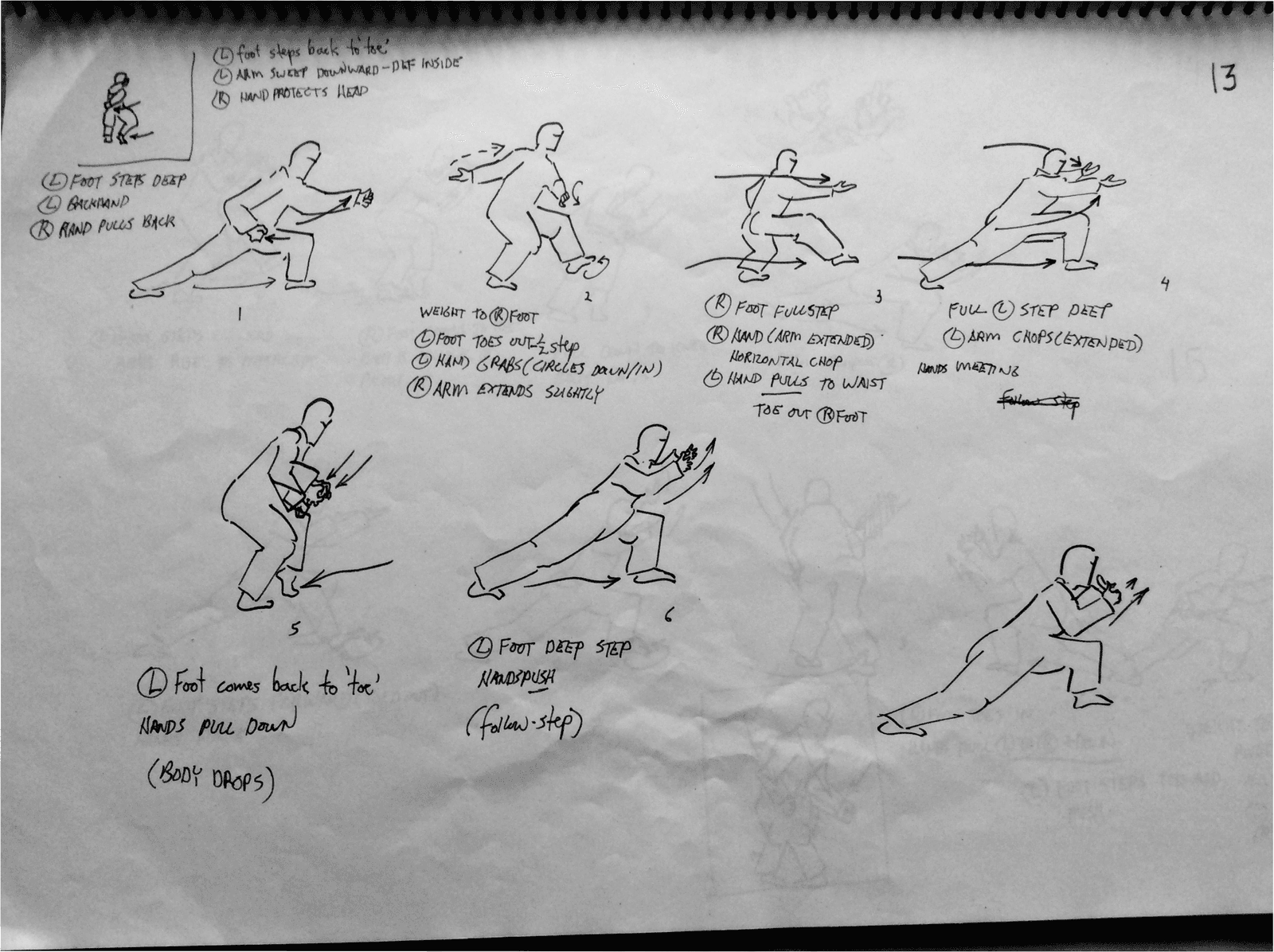
Hung taught through demonstration, correction, partner work and application. Allen says he could not photograph Hung as a study aid. Only after learning the movements did he draw figures of everything, preserving sequence, footwork, transitions and use by hand. Hung liked the drawings; he then entrusted Allen with Zhang’s system chart and a fighting poem. The complete transmission contained Chang Chuen-Feng’s Hsing-I and the full Gao Ba-Gua curriculum, beginning with the Twenty-Four Celestial Gates. The archival photographs by others and Allen’s pages below offer three views into that teaching relationship; they are examples, not an inventory of what Allen received.
Hung gave Allen Chang Chuen-Feng’s complete Hsing-I system: standing, stepping, the five fists, linked practice, animal forms, partner work, application and weapons. Hawk is one animal form within that whole. Allen’s drawing records its sequence, footwork and hand changes; it is one study page from the full transmission, not its boundary.
Hung gave Allen the complete Gao Ba-Gua system. The Twenty-Four Celestial Gates establish stance, stepping and tactical foundations; the Sixty-Four develop linear post-heaven combinations; the Eight Mother Palms return the work to circle walking, and four auxiliary palms also belong to the curriculum. The Twenty-Four are its foundation, not the whole, and the page shown here is only one record from the full transmission.
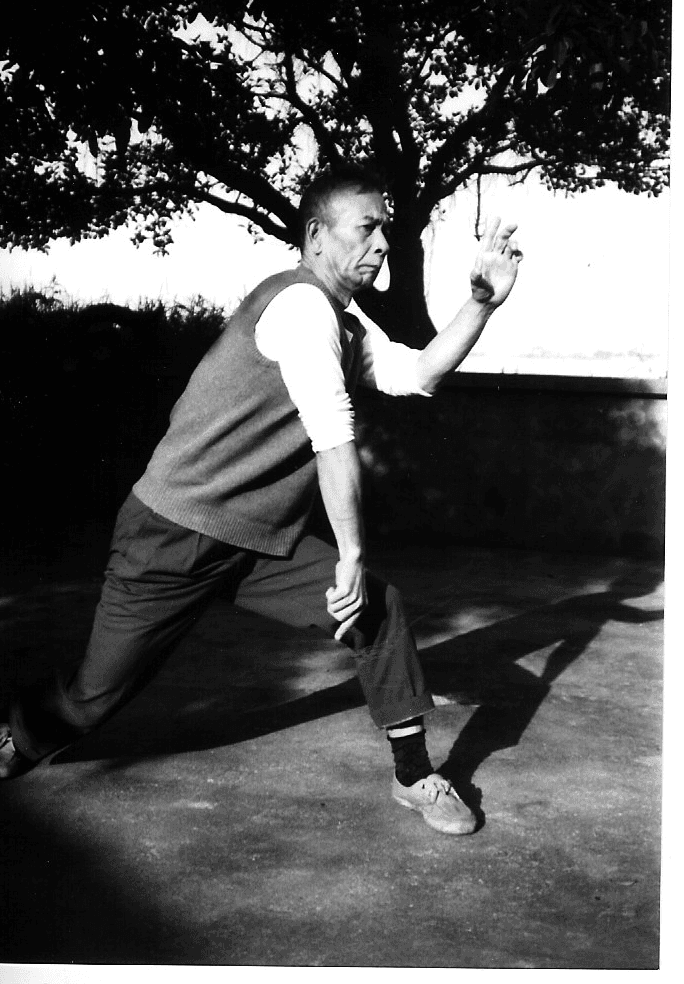
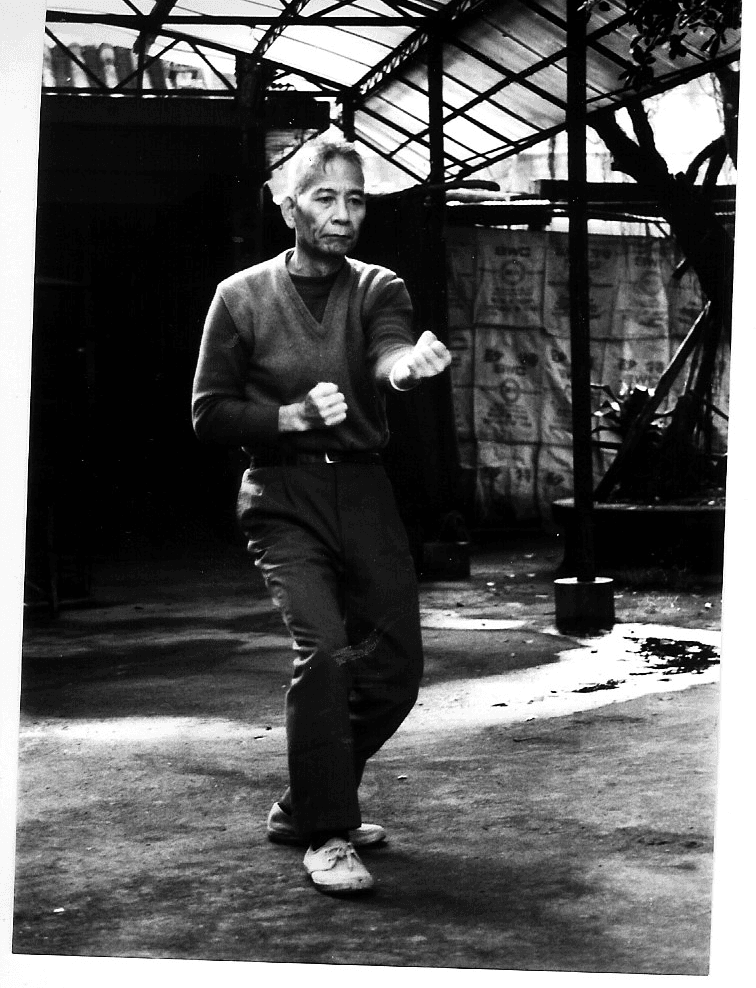
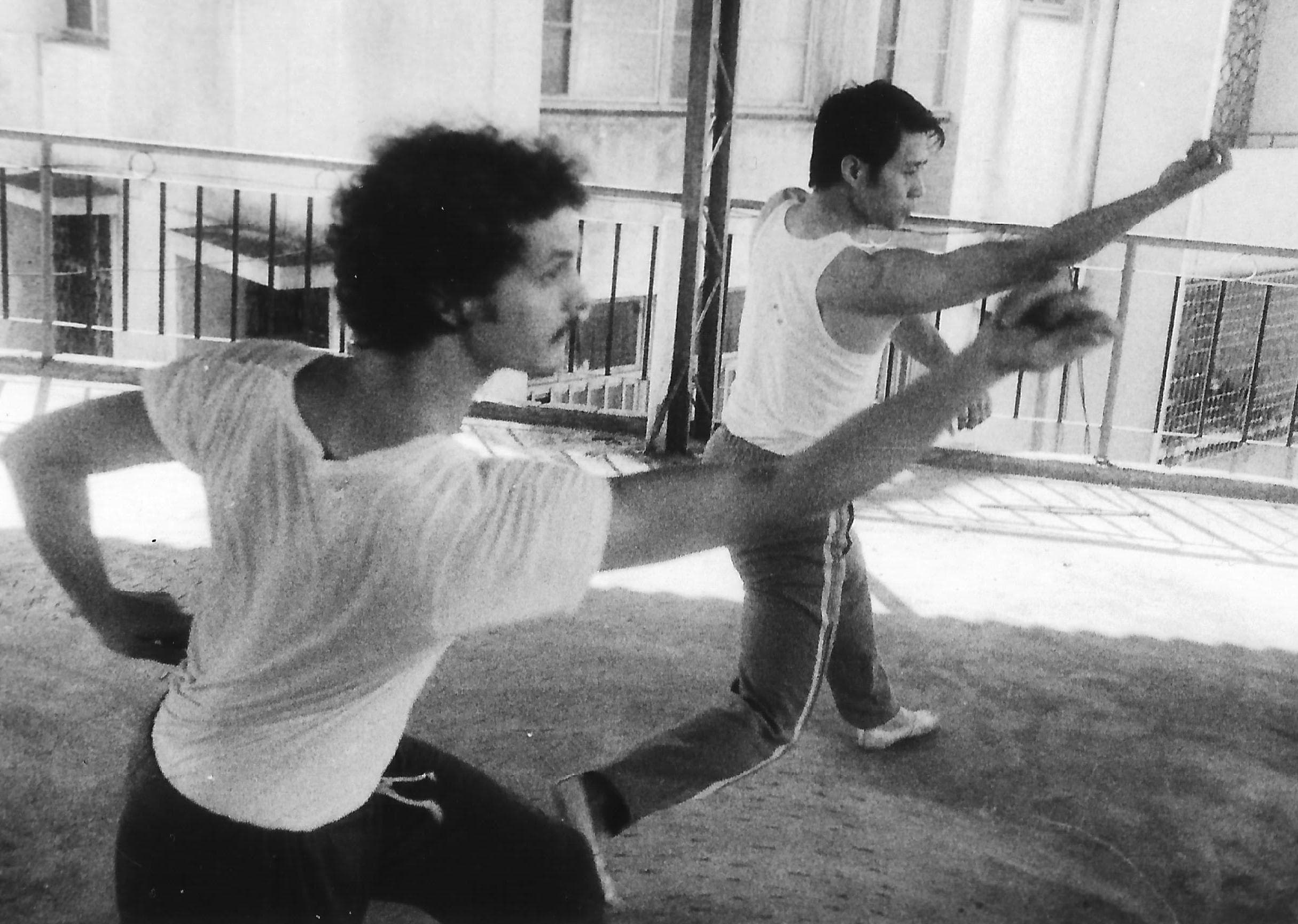
Hung taught Allen Hsing-I as a complete system: standing and stepping, the five fists, linked practice, animal forms, partner work and application. The photographs of Pi and Beng Chuan are selected examples from that training, not its limit.
五字經 · From the Taiwan papers
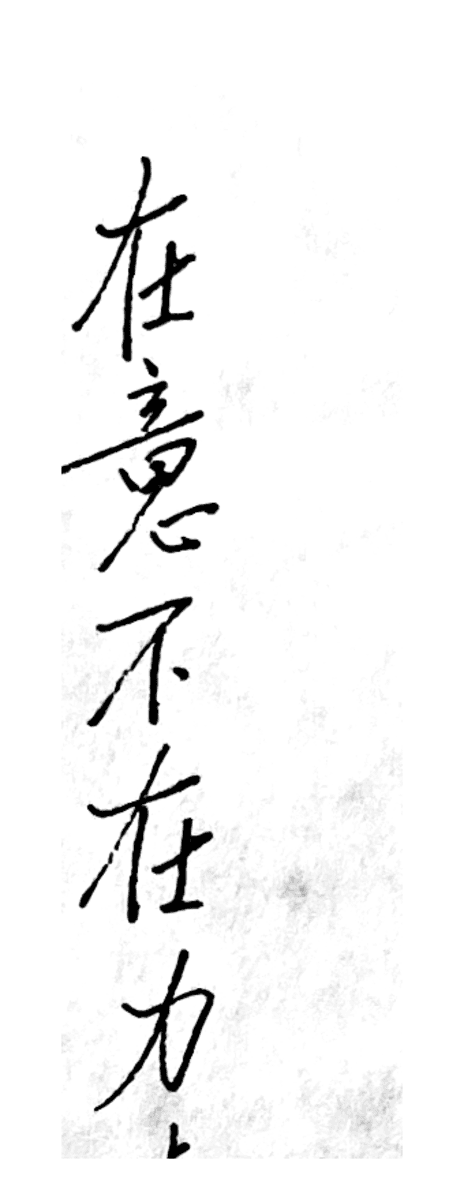
Among Allen’s handwritten training notes is an ink copy of the Five-Character Classic — a longer teaching poem whose lines run five characters each. It stands for how much of the transmission travelled beside the movements: charts, weapons, bone-setting, and verse kept as a compact carrier of principle. Allen met the same habit in the West — Tim Geoghegan, his Irish teacher, likewise carried and recited verse from his own tradition. One line of the classic is especially direct:
在意不在力It lies in the intention, not in the force.
The paper trail
Allen describes three principal stages as Hung taught them: the Twenty-Four Celestial Gates as tactical foundation; the Sixty-Four linear post-heaven forms, eight to a trigram; and the Eight Mother Palms practiced while walking the circle. The curriculum also contains four auxiliary palms. School sheets and Allen’s drawings preserve parts of this complete progression.
A bilingual comparative sheet among Allen’s papers lists twelve Hsing-I animal forms in the Chen Pan-Ling count. The Chang Chuen-Feng school counted thirteen — adding the Phoenix. The T’ai bird belongs to both counts, and Allen’s notation records it. Different branches, different counts: their presence in the same archive allows comparison without turning them into one lineage.
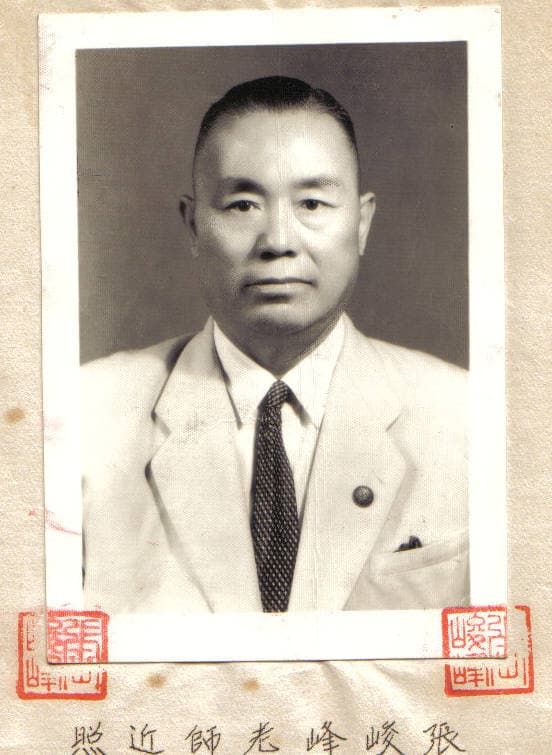
Archive material shown for documentation. The black-and-white photographs of Hung I-Mien were taken by Rick Ugino; publication rights for the Hung family photographs are being confirmed.
From document back to practice
Forty years on, Allen continues to teach the Hsing-I and Ba-Gua recorded in the Taipei notebooks. The archive is evidence of a living practice, not a substitute for it.
Return to Internal Arts →