Developmental movement
Allen studies how movement and perception develop from infancy: how a child meets ground, touch and another body through the senses, and how rolling, reaching, crawling, gathering and standing organise the body over time.
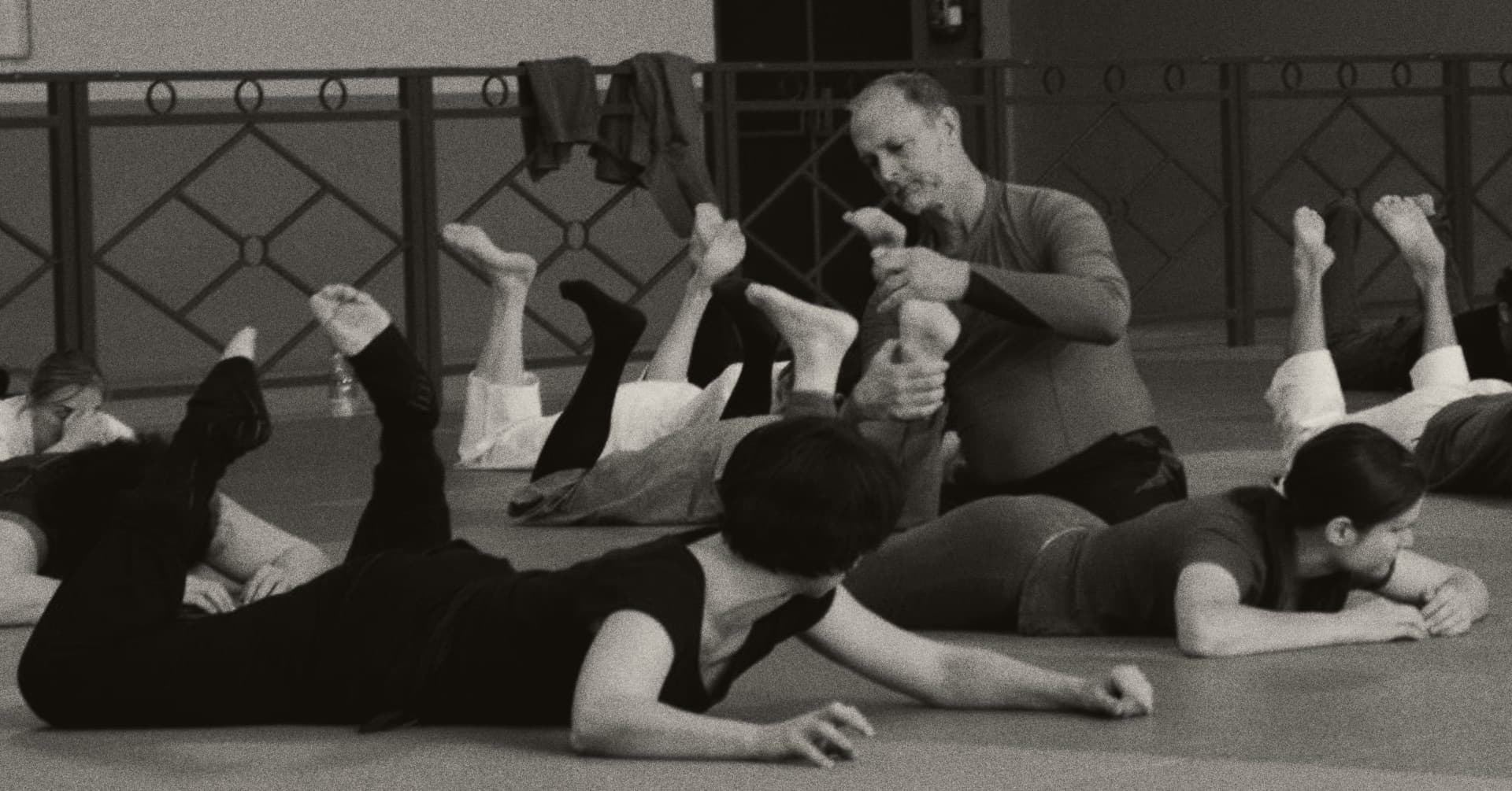
A practice developed by Allen Pittman
Before movement had names, there was turning, reaching, crawling and rising. Wisdom begins there.
Enter the practice ↓Allen Pittman · Wisdom of the Body
A practice built from movement
“Wisdom of the Body came to me when I asked myself: what am I missing?”
Over decades of teaching and study, Allen arrived at a practice that begins before style: with the body’s own ways of meeting ground, gravity, space and another person.
The work begins with basic actions: resting against the ground, turning, reaching, crawling, gathering the feet beneath the body, standing and meeting another person. Each task can be adjusted to the participant and setting. Martial arts, yoga and bodywork traditions give the practice depth while movement itself remains the point of entry.
The question is simpler: what helps this person become less mechanical, more perceptive and more able to choose?
Why Allen built it this way
Wisdom of the Body grew from Allen’s search for what remained useful across martial arts, yoga, bodywork and teaching: a way of meeting the person as a whole.
Allen studies how movement and perception develop from infancy: how a child meets ground, touch and another body through the senses, and how rolling, reaching, crawling, gathering and standing organise the body over time.
The floor carries weight and makes balance, strength and sensation easier to perceive.
A task changes the conditions. The student notices what happens and discovers more than one possible response.
Ground, gravity, space and another person make movement meaningful. Contact gives form a living context.
The practice leaves a person with observations and tools that can continue into daily life and independent study.
A human sequence
Each level gives the body a different relationship with gravity, space and other people. The sequence remains open to return and rediscovery.
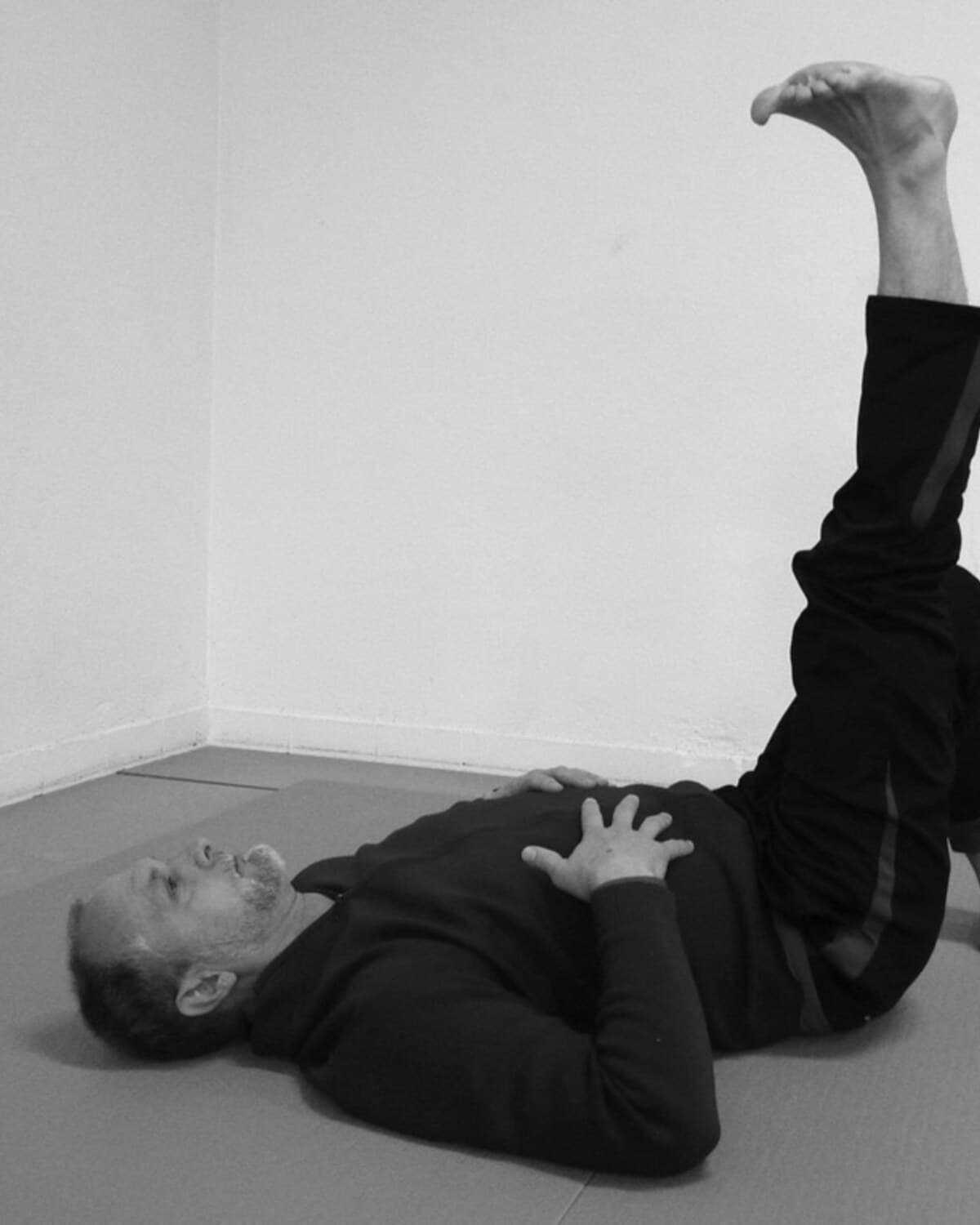 01
01The floor supports the body. Participants can explore weight, breathing and small movements without needing to balance in standing.
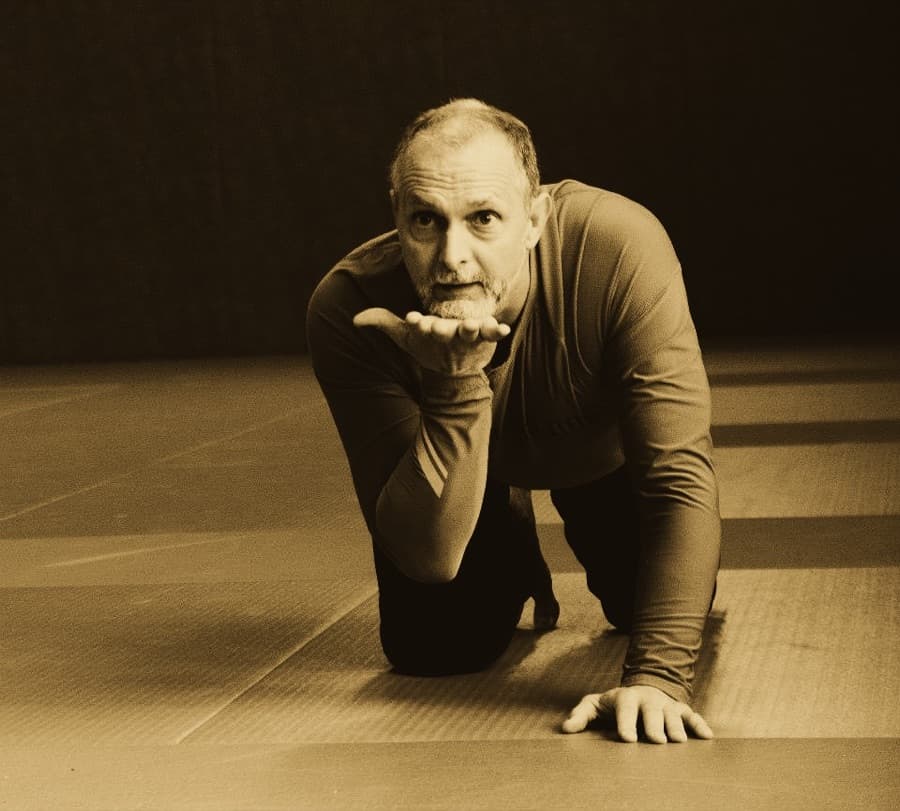 02
02Hands, knees, eyes and spine are invited to coordinate while weight moves across the floor.
 03
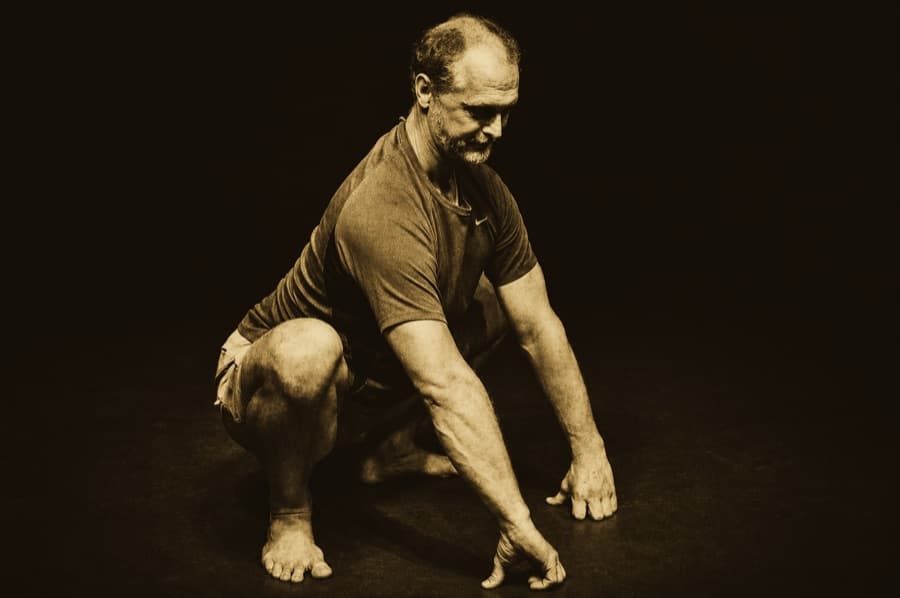
03Squatting explores support, balance and how the body organises weight close to the ground.
 04
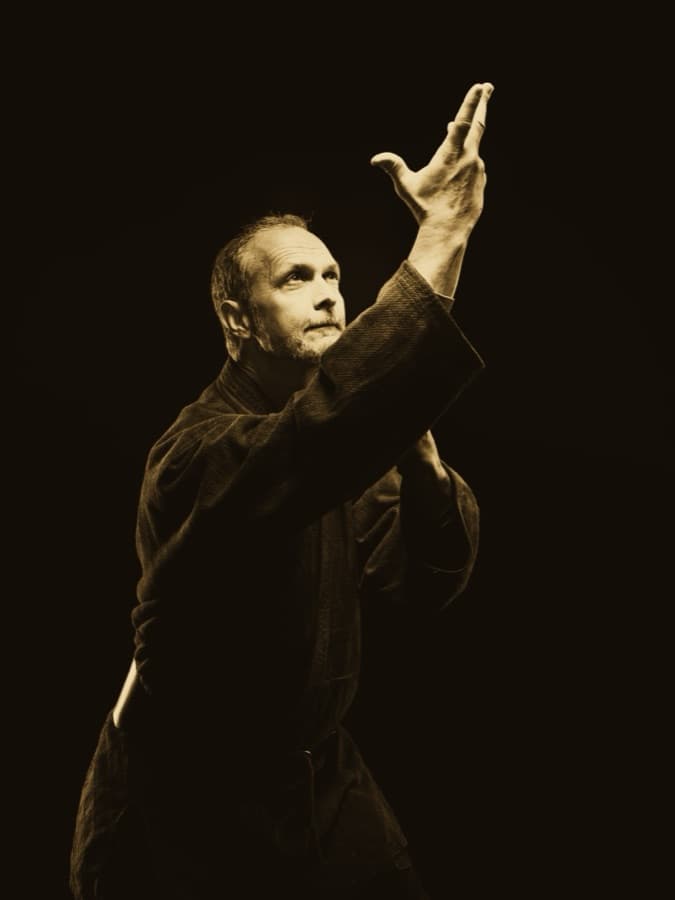
04Standing brings the work into reaching, stepping, turning and meeting another person.
Wisdom of the Body · teaching archiveAmazone Dance · a movement study with young practitioners
Inside the room
Allen gives a task, watches what becomes possible and changes the conditions. Each person’s response becomes part of the investigation.
A typical session includes supported floor work, transitions between levels, standing movement and optional partner exercises. Allen introduces one task at a time and changes its conditions according to what participants observe.
Attention widens to include weight, direction, impulse and the space around the body.
Simple human actions are varied until the body finds more than one answer and a wider range of response.
Touch, distance, rhythm and another person make perception practical. Partner work enters gradually through clear tasks.
The work returns to standing, walking and ordinary life. A useful session should leave someone with tools they can keep using.
What feeds the practice
Each source contributes a distinct question: how the body organises, how attention changes action, how people meet and how practice becomes useful in ordinary life.
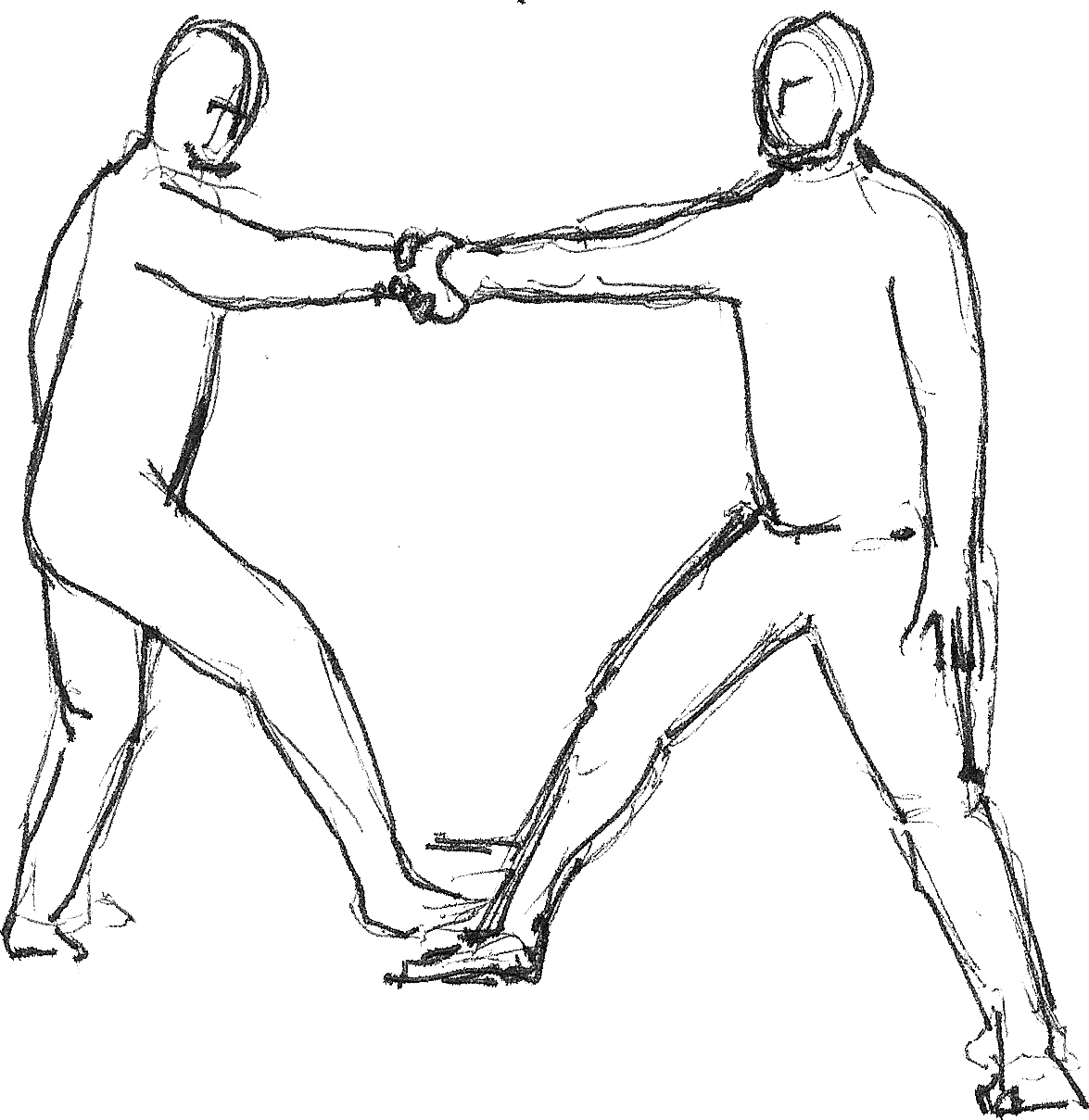
Lying, rolling, crawling, squatting, standing and walking — patterns Allen observed closely through ten years of teaching children.
Ba‑Gua, Hsing‑I and Tai Chi contribute an exact study of structure, attention, change and relationship under pressure.
Wrestling, Yoga Nidra, osteopathy and SPAN showed Allen a Western practice in which body, emotion and mind were never separate subjects.
Classical yoga, contemplative practice and the lost passages of a human life bring bodily training into dialogue with biography and inner life.
The original emblem
The original Centaur emblem was designed by Victoire Slakey and accompanied Wisdom of the Body through its early development. Allen thanks her for creating the mark and for its use over the years.
Original Centaur emblem designed by Victoire SlakeyWho enters the work
The work can meet experienced practitioners and people returning to movement after a long absence. Teachers, therapists, martial artists and yoga practitioners often recognise parts of their own fields — but no professional or spiritual identity is required.
This is education and practice, not a promise of treatment. The pace and range can be adapted; attention and curiosity matter more than performance.
Participants should tell the teacher about relevant injuries, pain or movement restrictions before the session. Exercises can be adapted or omitted.
Continue on the page
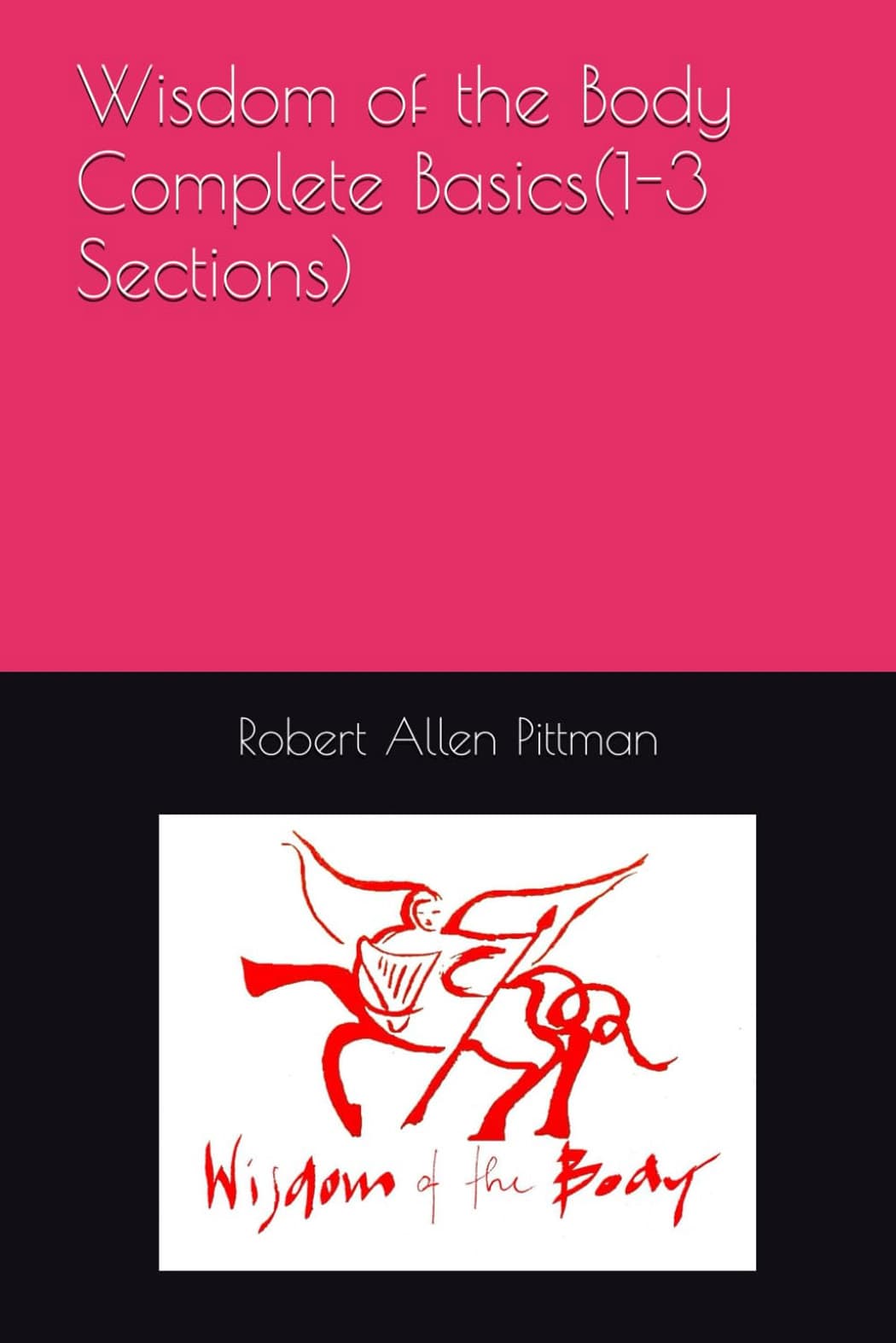
Wisdom of the Body: Complete Basics gives the first sections of the curriculum a durable form for readers who want to work slowly and revisit the material.
Read in the library →More material
Drawings, conversations and further volumes will extend this reading path over time.
August–October 2026
The Zürich residency is the next place to enter Wisdom of the Body in person. Dates, formats and booking are collected on the Zürich page.
Open the Zürich residency ↗Study privately online →